Common Types of Stone Used and How They’re Restored
People seeking stone restoration often want to restore and preserve different types of stone surfaces, and local contractors can provide expert services tailored to each stone’s specific needs.
Understanding common types of stone used in property features and how they’re restored is essential for property owners looking to preserve the beauty and integrity of their surfaces. Whether it’s a historic façade, a decorative walkway, or a durable countertop, knowing the characteristics of different stones can help in making informed decisions about maintenance and repair. Local contractors specializing in stone restoration have the expertise to identify the specific types of stone and recommend proper restoration techniques, ensuring that surfaces are both functional and visually appealing for years to come.
Property owners in the area often explore this topic to maintain the value and appearance of their homes and commercial spaces. Over time, exposure to weather, foot traffic, and everyday wear can lead to surface damage or deterioration. Skilled service providers can assess the condition of various stones and perform restoration work that restores their original luster and strength. Keeping informed about common stone types and their restoration methods can help property owners choose the right local experts to handle their unique needs effectively.
- Marble surfaces - when marble surfaces become stained, scratched, or dull, local contractors utilize specialized cleaning and polishing techniques to restore their natural shine.
- Granite countertops - in cases of chips, cracks, or surface wear, service providers apply repair and sealing methods to extend the life of granite features.
- Limestone flooring - when limestone shows signs of erosion or staining, local pros perform gentle cleaning and restorative treatments to preserve its appearance.
- Slate installations - for slate that has lost its luster or has surface damage, contractors use tailored restoration processes to bring back its natural textures.
- Travertine surfaces - when travertine develops etching or discoloration, service providers employ specific restoration techniques to renew its surface and enhance durability.
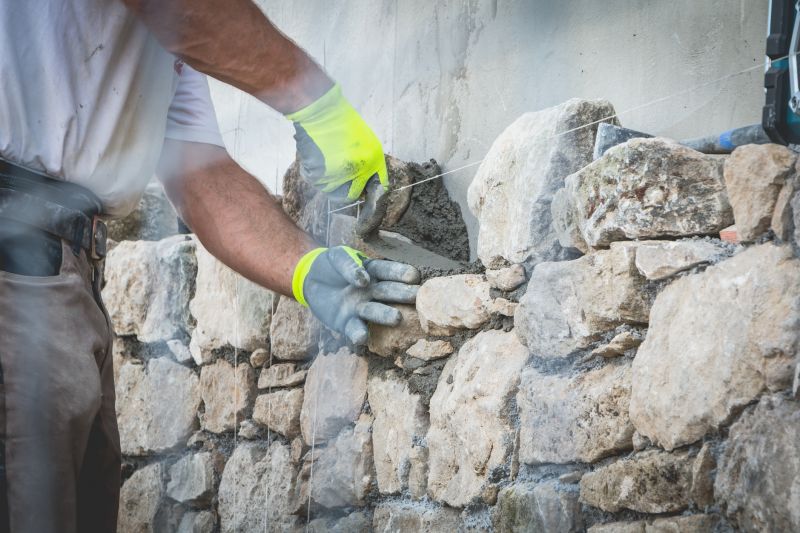
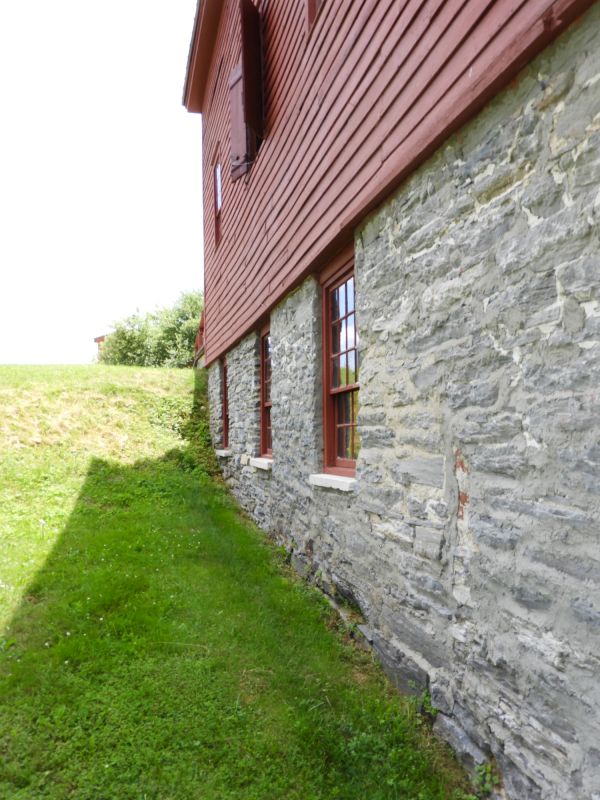
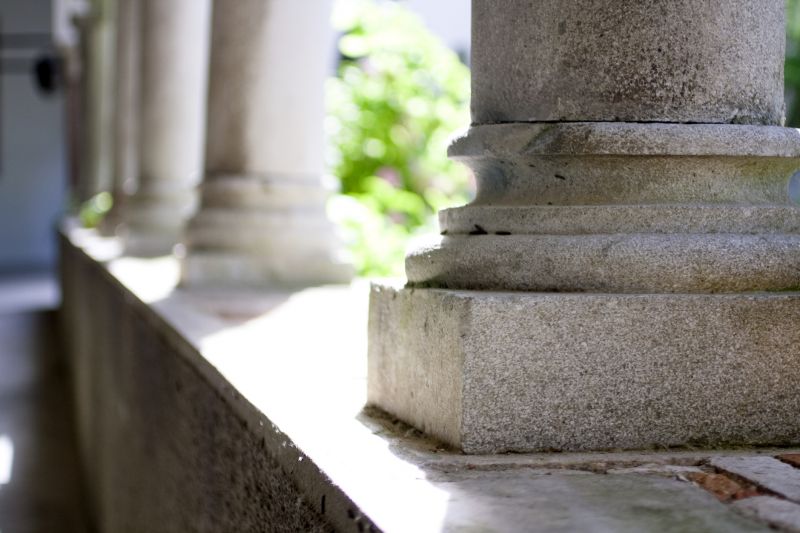
When searching for information about common types of stone used and how they’re restored, homeowners are often looking to understand the materials that make up their property’s surfaces, such as flooring, countertops, or facades. This topic is relevant for those who notice signs of wear, damage, or aging on their stone features and want to learn about the best ways to restore their appearance and durability. Many property owners are planning renovations or repairs and want to ensure that their stone surfaces are properly maintained or revitalized. By exploring the different types of stone, homeowners can better understand the specific challenges each material presents and how professional restoration services can help address issues like staining, cracking, or surface deterioration.
Common types of stone used in residential and commercial properties include granite, marble, limestone, slate, and travertine. Each of these materials has unique qualities that influence how they are restored. For example, granite is known for its hardness and resistance to staining, but it can still suffer from surface scratches or chips that require polishing or patching. Marble offers a luxurious look but is more porous and prone to staining or etching, making it necessary to use specialized cleaning and sealing techniques during restoration. Limestone and travertine are softer stones that can develop surface etches or cracks over time, often needing careful grinding and sealing to restore their appearance. Local service providers familiar with these materials can assess the condition of each type of stone and recommend appropriate restoration methods to bring back their original beauty and function.
Restoring these stones typically involves a combination of cleaning, repairing, and sealing processes. For instance, surface cleaning may remove dirt, stains, or old sealers, revealing the stone’s true color and texture. Repair work might include filling cracks, chips, or holes with matching materials to restore structural integrity and visual appeal. Polishing or honing can then be applied to improve the surface finish, whether to achieve a glossy, matte, or honed look. Sealing is often the final step, providing a protective barrier against future staining or damage. The specific techniques and products used depend on the type of stone and the extent of wear or damage. Local contractors experienced in stone restoration can evaluate the condition of each surface and determine the most effective approach to restore it to its original state.
Understanding the common types of stone used and their restoration needs helps property owners make informed decisions about maintaining their surfaces. Whether it’s a marble fireplace, a granite kitchen countertop, or limestone patio pavers, each material benefits from professional care tailored to its characteristics. Restoring stone surfaces not only improves their appearance but also extends their lifespan, saving money and effort in the long run. Connecting with experienced local service providers ensures that the restoration work is performed with the appropriate techniques and materials, resulting in a durable and beautiful finish. Properly restored stone can significantly enhance the overall look and value of a property, making it a worthwhile investment for homeowners planning renovations or ongoing maintenance.
Marble polishing projects - local contractors skilled in marble restoration can help improve the appearance of marble surfaces by removing scratches and restoring shine, similar to other stone restoration tasks.
Granite countertop refinishing - professionals experienced in granite care can restore damaged or stained granite surfaces, applying techniques comparable to those used in restoring other natural stones.
Flagstone repair and sealing - service providers who work with flagstone can address issues like cracking and staining, utilizing planning and tools similar to those used in stone restoration projects.
Slate surface restoration - local specialists can restore and seal slate surfaces, employing skills that overlap with those needed for other types of stone maintenance and repair.
Limestone cleaning and sealing - experts in limestone restoration can remove surface grime and apply protective sealants, paralleling processes used in restoring various stone materials.
Travertine resurfacing projects - service providers experienced in travertine can handle surface polishing and filling, using techniques akin to those used in other natural stone restoration efforts.
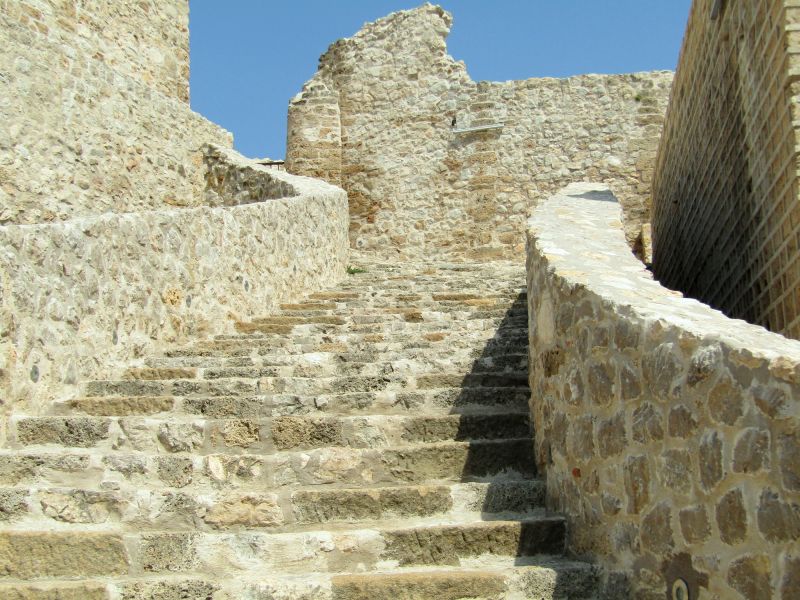
When comparing local contractors for stone restoration services, it’s important to consider their experience with similar projects involving common types of stone used and how they’re restored. A contractor’s familiarity with different stone materials-such as marble, granite, limestone, or slate-can greatly influence the quality of the work. Homeowners should inquire about the types of projects the contractor has completed in the past and whether they have successfully handled restorations involving the specific stone in their home. This insight helps ensure that the service provider understands the unique characteristics and restoration needs of each stone type, which is essential for achieving a desirable result.
Clear written expectations are a key factor when evaluating potential service providers. Homeowners should seek detailed explanations of the restoration process, including the methods and products that will be used to restore and preserve the stone. A reputable contractor will be transparent about the scope of work, what the process entails, and any potential limitations or considerations related to the specific type of stone. Having this information in writing helps prevent misunderstandings and provides a basis for assessing whether the contractor’s approach aligns with the homeowner’s goals for their stone surfaces.
Reputable references and effective communication are vital components when choosing local contractors for stone restoration. Homeowners are encouraged to ask for references from previous clients who had similar types of stone restored. Speaking with past customers can provide insights into the contractor’s reliability, craftsmanship, and ability to meet expectations. Additionally, good communication-such as prompt responses, clear explanations, and willingness to answer questions-can greatly influence the overall experience. A service provider who maintains open, transparent communication is more likely to deliver results that match the homeowner’s vision and ensure the restoration process proceeds smoothly.
Property owners often search for common types of stone used and how they’re restored when they are planning practical projects around their homes and businesses. Local pros provide Stone Restoration services for everyday jobs and straightforward project options.
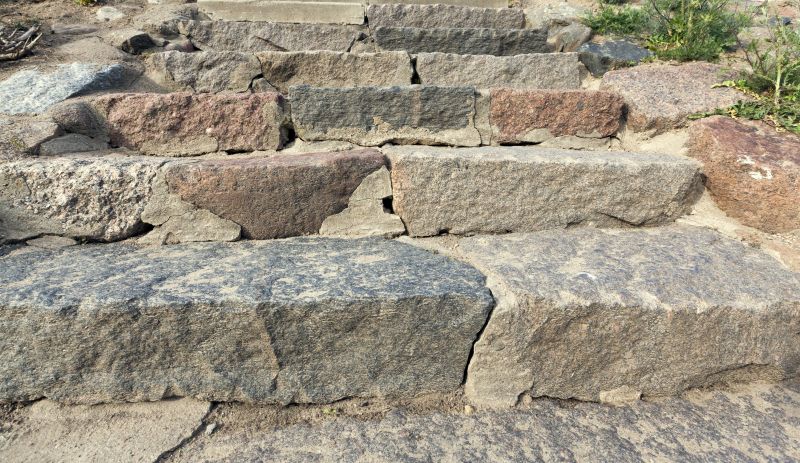

Many property owners in the area turn to local contractors for help with restoring and maintaining stone surfaces, especially when dealing with common types of stone used in patios, walkways, and interior flooring. These stones-such as granite, marble, limestone, and slate-each have unique characteristics that influence how they should be cared for and restored. For example, marble may require gentle cleaning and polishing to remove stains and etching, while slate might need specific sealing treatments to prevent future damage. Understanding the type of stone is essential for choosing the right restoration approach, which is why many property owners seek advice and services from experienced local service providers.
When it comes to restoring stone surfaces, local contractors typically evaluate the condition of the stone and determine the best methods to bring back its appearance and durability. This could involve cleaning to remove dirt and grime, repairing chips or cracks, or applying protective sealants to prevent staining and deterioration. Restoring common types of stone used in residential and commercial spaces often requires specialized techniques tailored to each material. Property owners interested in preserving their stone features or fixing damage often find that consulting with local pros provides the expertise needed to achieve the best results.
What are some common types of stone used in building and decoration? Common types of stone used include granite, marble, limestone, sandstone, and travertine, each offering unique aesthetic and structural qualities. Local contractors specializing in stone restoration can identify these materials and determine the best restoration methods for each. They can also advise on how to maintain the stone’s appearance and durability over time.
How do professionals restore different types of stone? Restoration techniques vary depending on the stone type and the extent of damage, often involving cleaning, polishing, sealing, or repair of surface cracks. Experienced service providers assess the specific stone to choose appropriate methods that preserve its natural characteristics while restoring its appearance.
Can all types of stone be restored to their original condition? Most common stone types can be restored effectively, but the process depends on factors like the stone’s porosity, age, and damage severity. Local restoration experts evaluate each project individually to determine suitable approaches for optimal results.
Are there specific restoration methods for natural versus engineered stones? Yes, natural stones like marble and granite typically require gentle cleaning and polishing, while engineered stones may need different sealing or repair techniques. Service providers experienced with various stone types can recommend the best restoration approach for each material.
What should be considered when restoring historic or delicate stonework? Restoring historic or delicate stonework involves careful cleaning and repair to preserve its original features and prevent further damage. Local contractors with expertise in stone restoration can handle such projects with appropriate techniques that respect the stone’s age and significance.
Marble restoration techniques can help property owners revive the elegant appearance of marble surfaces in kitchens or bathrooms with professional polishing and sealing services from local contractors.
Granite repair solutions provide options for fixing chips, cracks, or stains on granite countertops or flooring with specialized filling and resurfacing methods offered by local pros.
If you are thinking about common types of stone used and how they’re restored for a property, this guide is meant to help you understand this topic, the typical project types, and how different options might fit your plans.
When you are ready, you can use the quote form on this page to share a few details about your project. From there, local pros can review the basics and follow up with options that match what you have in mind.